A Semi-Not-Horribly-Regular Newsletter #11
In this issue: What’s Next, Calling All Beta Readers, New Posts, An Indie Author Program Review Selection (a review).

In this issue: What’s Next, Calling All Beta Readers, New Posts, An Indie Author Program Review Selection (a review).
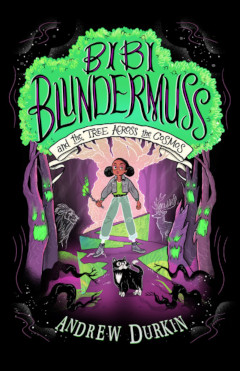
Description • The Review • Author Interview • More About the Author Description (from Amazon.com) Twelve-year-old Bibi Blundermuss is terrified of trees. Being around them makes her dizzy and sick to her stomach—even comatose. So, when her only to chance to find her missing parents means climbing a magic tree in the forest near her…
Read more

In this final post related to using anthropology for world building, we’ll take a look at daily life.

In the penultimate part of this eight-part series on using anthropology for world building, we’ll look at economy from the perspective of fiction.

The government you build into your fantasy or science fiction culture doesn’t have to be complicated. It can mirror your own, or…be something else.
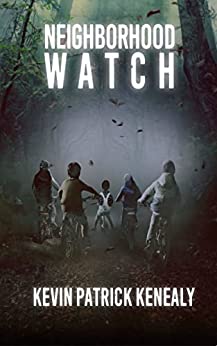
Description (from Amazon.com) When the Caseys move into affluent Ridgeport, Ill, searching for a better life for their newborn Scott, they are surprised to find a book entitled Ridgeport Welcomes You: Procedures and Guidelines for Happy Living. The book contains rules and ordinances that citizens must abide by to live in happy neighborhoods. Although mom…
Read more

History is an important element of anthropology when building worlds, but it’s not always done. It can, however, make a big impact.
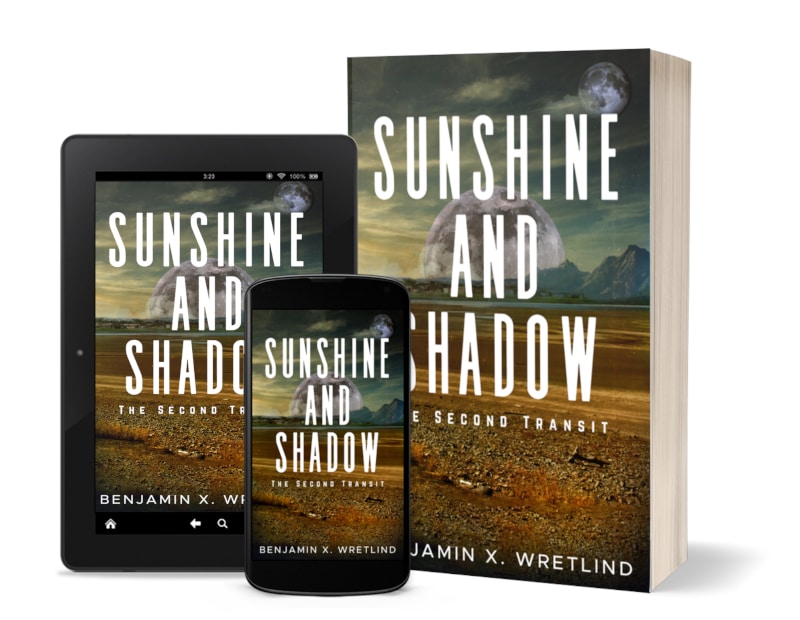
In this issue: The Transit continues Sunshine and Shadow: Exodus, or the Second Transit, Two New Reads, New Posts, An Indie Author Program Review Selection (a review).

In this article on using anthropology for world building, we look at arts & crafts, or the way to get creative within your creative writing.

Embedding social groups into your writing as a part of your world building is something you’re probably already doing
Transit Novels
Nonfiction

The Rest